
Fiscal Representation in the EU Guide for Non-EU Businesses
Fiscal Representation in the EU Guide for Non-EU Businesses
A US-based electronics brand started selling into Poland last spring. Sales grew fast. Then a customs agent asked to see proof of a local tax contact, and nobody on the team knew what that meant. The shipment sat in a bonded warehouse for two extra weeks while the paperwork got sorted out, and the delay cost more than the fix would have. This gap catches sellers based outside Europe more often than people expect, usually at the worst possible moment.fiscal representation is the legal remedy. It puts a locally accountable party between a foreign seller and the tax office. This guide covers who needs one, what it costs, and how the appointment actually works.
What Fiscal Representation Means for Non-EU Sellers
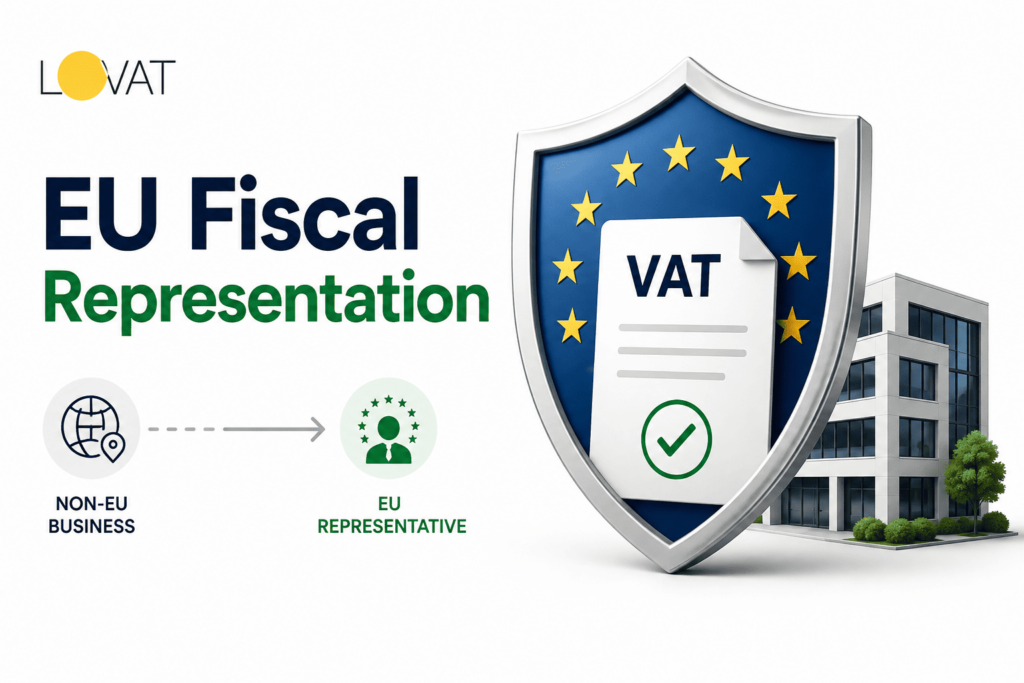
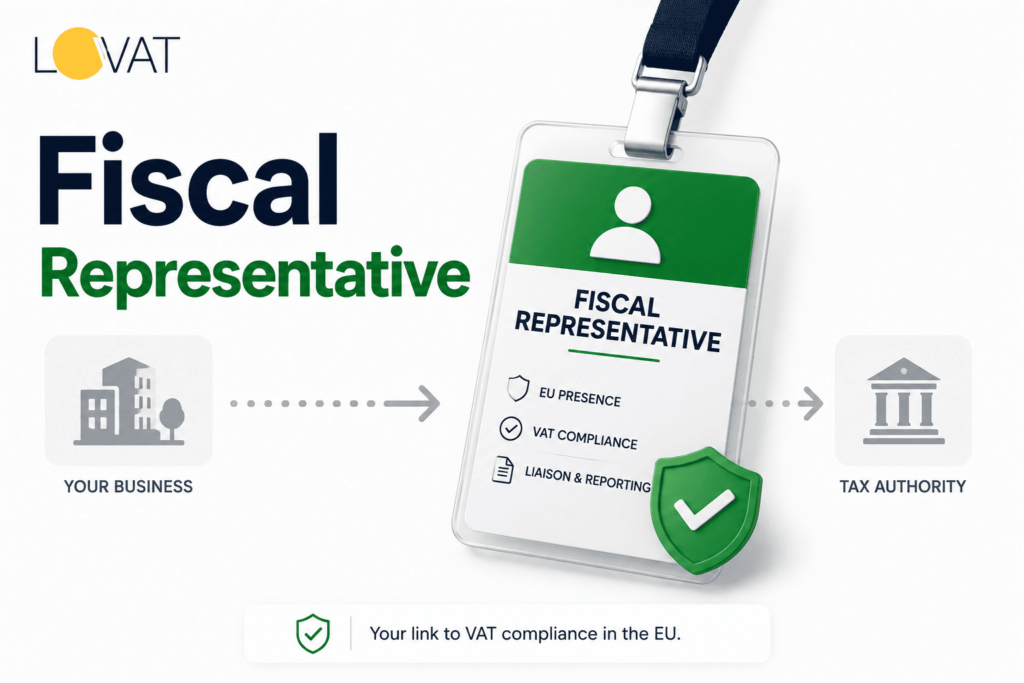
fiscal representation puts a local, jointly liable party on record with the tax office. That party makes sure returns get filed and tax gets paid, even when the seller has no office in the country.
Countries requiring it treat this party as equally responsible for VAT debts. That liability is the whole point. It gives tax authorities someone reachable inside their own borders, rather than a foreign address that’s hard to chase.
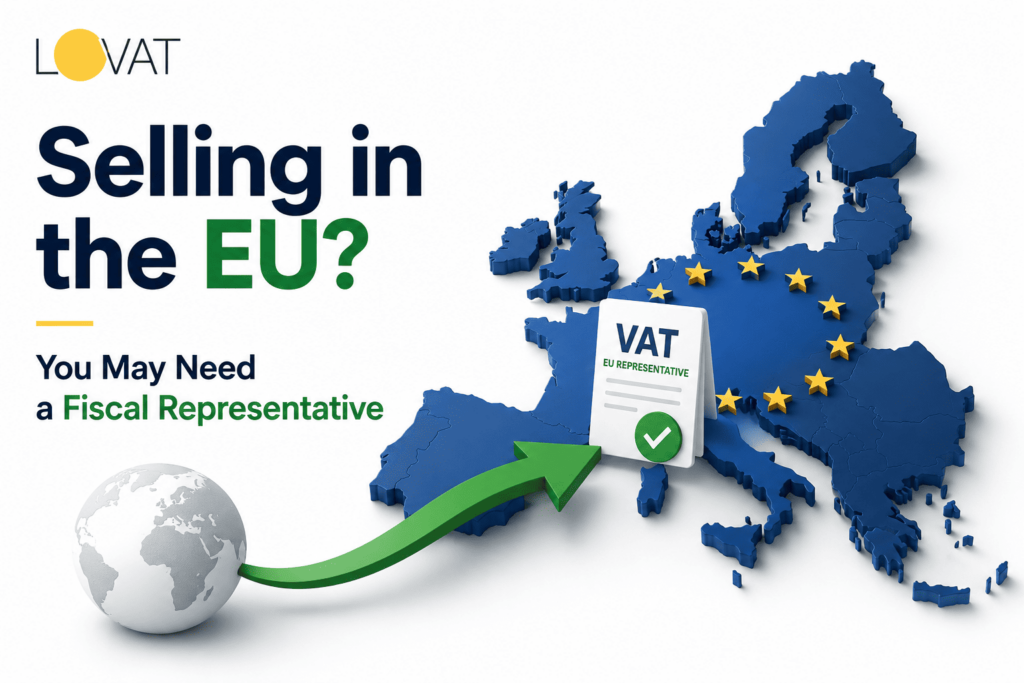
Not every member state demands this setup. Some accept direct registration from outside sellers regardless of any treaty. Others insist on a locally appointed contact before they’ll issue a VAT number at all.
When You Need a VAT Fiscal Representative
A VAT fiscal representative becomes mandatory the moment a company from outside the bloc registers somewhere with no mutual assistance agreement in force. The United Kingdom, since leaving the bloc, now applies to several member states in this category.
Here’s when this kind of appointment is typically required:
- Completing VAT sign-up where the home country and target market share no mutual assistance treaty
- Importing goods and holding stock inside Europe
- Selling through marketplaces requiring proof of local compliance
- Operating in countries with a stricter enforcement history
Appointing a vat fiscal representative is usually the first step before a VAT number gets issued at all. Miss that piece, and the file quietly gathers dust until a reviewer notices what’s missing.
Working with a fiscal representative for VAT purposes removes this bottleneck. It also shifts part of the compliance burden onto someone who already knows the local filing calendar.
Finding the Right EU Fiscal Representative
Vetting an EU fiscal representative properly protects against joint liability disputes later on. Their books matter here too, so it’s worth digging into how financially solid they actually are, not just what their certificate says.
A short checklist helps here:
- Confirm they hold a current license in the target country
- Request proof of professional indemnity insurance
- Check how many other clients they already represent
- Ask them to put you in touch with a couple of existing clients in your line of work
Every EU fiscal representative should carry this insurance before signing anything. Skipping it leaves both sides exposed if a dispute reaches the tax office.
Your fiscal representative within the EU also needs local registration themselves, in most member states, before they can act on a client’s behalf.
Documents You’ll Need Before Signing
Most appointments stall not because of price, but because of missing paperwork. Gathering everything upfront speeds the whole process along considerably.
A typical onboarding pack includes:
- Certificate of incorporation or an equivalent business registration document
- Whatever tax ID your business already uses back home
- Recent bank statements or a letter confirming good financial standing
- A signed power of attorney covering the scope of the arrangement
- Forecasted turnover figures for the target market
Missing even one of these items can push a start date back by weeks, since most reviewers won’t begin underwriting the risk until the file is complete. Keeping digital copies ready, rather than scrambling for originals later, saves real time.
Some jurisdictions also ask for a notarized translation of corporate documents. That step alone can take longer than every other part of the process combined, so it pays to start early rather than treat it as an afterthought.
Costs and Liability of an EU VAT Fiscal Representative
An EU VAT fiscal representative rarely charges a single flat number; expect a base fee layered with either a turnover-linked cut or a bank guarantee requirement. Pricing varies sharply by country and by how much risk the representative is absorbing.
Comparing the Two Roles
| Aspect | Fiscal representative | Tax agent |
| Liability | Jointly liable for VAT debts | No shared liability |
| Who needs one | Mandatory in stricter countries | Optional, as a convenience |
| Local presence | Required | Not always required |
| Typical cost | Higher, liability-based fee | Lower, service-based fee |
An EU VAT fiscal representative needs budgeting before the registration application goes in, not after. Some also require a bank guarantee covering several months of expected tax liability.
Fiscal representation for VAT purposes across the EU carries real financial exposure, and whoever signs the mandate takes that risk on directly. That’s why reputable providers screen clients carefully before accepting the arrangement.
How a Tax Representative EU Appointment Works
A tax representative EU appointment starts with a signed mandate that puts joint liability in writing. This document has to be filed alongside the VAT registration itself, not sent in separately later.
The appointment generally follows this order:
- Choose someone licensed in the target country
- Sign the joint-liability mandate covering VAT debts
- Submit the mandate together with your VAT registration
- Set up the ongoing filing and payment schedule
Most tax offices require the tax representative eu mandate within thirty days of the VAT application. Missing this window can delay the whole registration by months.
Tax representation across the EU works differently depending on the member state, so a mandate accepted in one country rarely transfers automatically to another.
Where It’s Required vs. Where It Isn’t
| Typically requires it for non-EU sellers | Typically doesn’t require it |
| Poland | Netherlands |
| Italy | Germany |
| Spain | Ireland |
| France, in certain cases | Czech Republic |
Rules shift as treaties change, so always confirm current requirements with the relevant tax authority before assuming either column still applies.
Sellers who get fiscally represented early avoid the last-minute scramble at customs entirely. Waiting until goods are already stuck at the border is the most expensive time to start this process.
Warning Signs Worth Watching For
Not every provider in this space operates the same way, and a few patterns tend to separate the reliable ones from the rest.
Before signing anything, look out for:
- Vague pricing that only becomes clear after the contract is signed
- Reluctance to share their own license number or supervising body
- No named point of contact for day-to-day questions
- Contract clauses locking you in for years with no easy exit
- Unwillingness to explain how disputes over liability get resolved
None of these are automatic deal-breakers on their own, but two or three together usually mean it’s worth looking elsewhere. A short reference call with an existing client often surfaces more than a glossy brochure ever will.
We’re here to support you through every stage of compliance. Questions or need a hand? Get in touch with our team.